
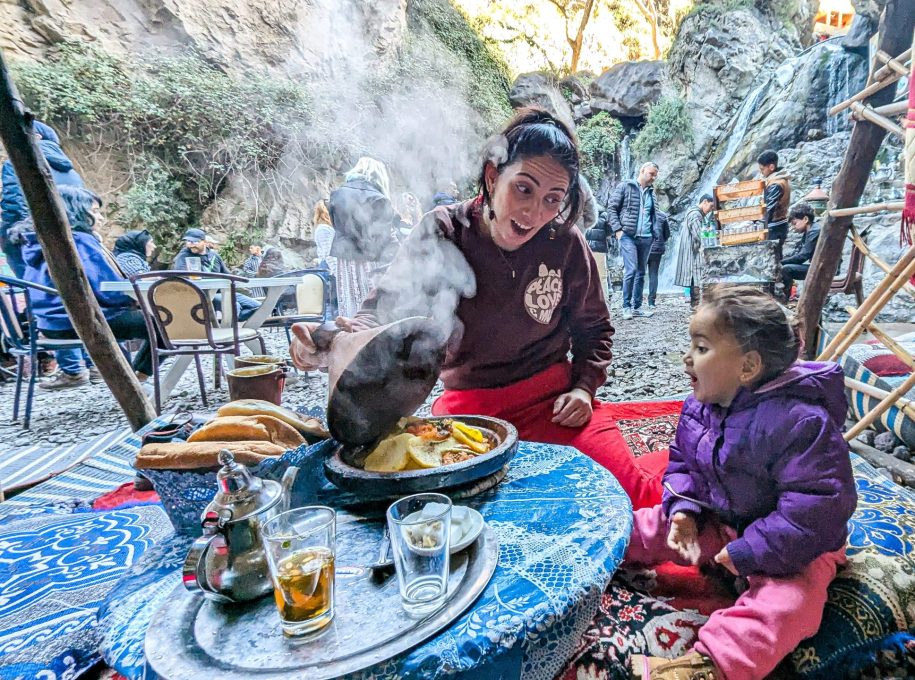
Moroccan cuisine didn’t appear fully formed. It was built slowly, over centuries, through coexistence, movement, and adaptation. Every wave of history added a layer — but the foundation has always remained the same.
Before imperial cities, before dynasties and palaces, the Amazigh people shaped the soul of Moroccan cuisine. Everything that came later refinement, elevation, innovation, grew from that base.
To understand Moroccan cuisine, you must understand its roots… and then walk through the cities where it evolved.
Through our Moroccan Food Tours and hands-on cooking classes, we invite travelers not just to taste Moroccan dishes, but to understand why they exist, how they changed, and what stories they still carry today.
Amazigh Roots: The Soul of Moroccan Cuisine
The Amazigh (Berber) people laid the foundation of Moroccan cuisine long before cities became centers of power. Their cuisine was practical, seasonal, and deeply connected to the land — and it still defines Moroccan food today.
Two pillars of Moroccan cuisine come directly from Amazigh tradition:
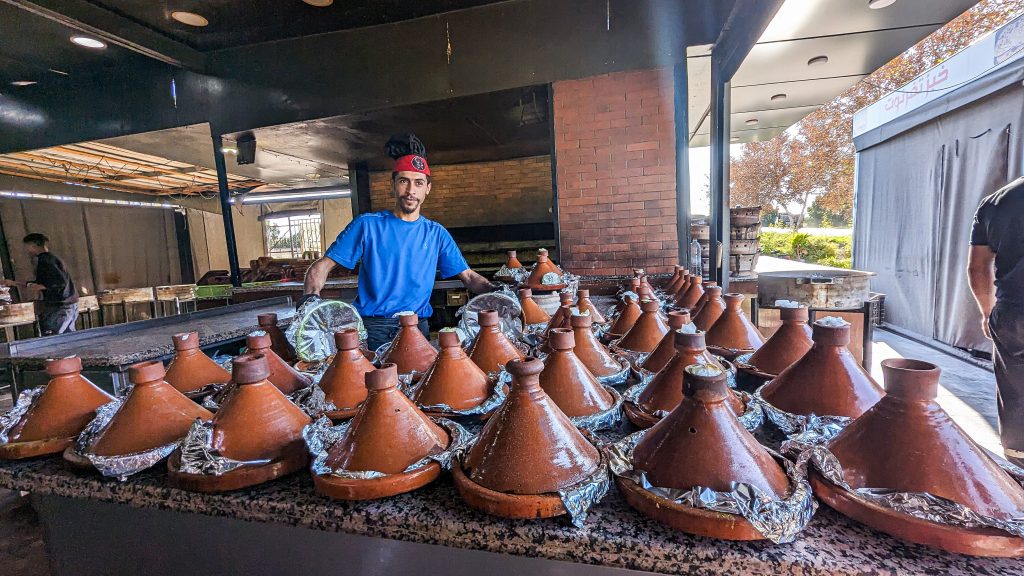
- Tagine: more than a dish — a cooking philosophy. Slow cooking, gentle heat, minimal water, and patience. Ingredients cook together, sharing flavor, respecting time.
- Couscous: the ultimate communal dish, built around grains, vegetables, and shared moments.

Both are incredibly versatile. They change by:
- region (mountains, plains, coast, desert)
- season (what the land provides at that moment)
- occasion (everyday meals vs celebrations)
This adaptability is pure Amazigh wisdom — cooking with what you have, when you have it. Every Moroccan cuisine today, from a village home to a royal palace, is still built on this foundation.
Fez: Refinement, Scholarship, and Culinary Innovation
If Amazigh cuisine is the soul, Fez is where Moroccan cuisine became refined and elevated.
Fez absorbed multiple influences:
- Arab and Middle Eastern culinary traditions
- Tunisian techniques brought by scholars and traders
- Jewish cuisine, especially in pastry, preservation, and balance
Fez was also, at many points in history, the capital of Morocco. And when a city hosts a royal palace, innovation follows. Royal and noble families had the time, means, and curiosity to experiment, refine, and elevate cuisine beyond survival.
This is where Moroccan cuisine embraced research, precision, and ceremony.
The iconic sweet-and-savory balance reached its peak here:
- Pastilla — delicate pastry, almonds, cinnamon, and meat

- Seffa — steamed grains topped with sugar, cinnamon, and nuts
These dishes are not improvised. They require technique, testing, and patience — true examples of culinary research passed down through generations.
On our Fez food tours, we explore spice markets, bakeries, and neighborhood ovens that preserve this refined tradition. In our Fez cooking classes, guests experience firsthand why Fassi cuisine is considered the most sophisticated in Morocco.
Marrakech: Celebration, Power, and Caravan Cuisine
If Fez is refinement, Marrakech is a celebration.
Founded as an imperial capital and an ancient caravan crossroads, Marrakech became a melting pot of influences — from the Sahara, the Atlas Mountains, and distant trade routes connecting Africa, the Mediterranean, and beyond.
This is where Moroccan party food was perfected:
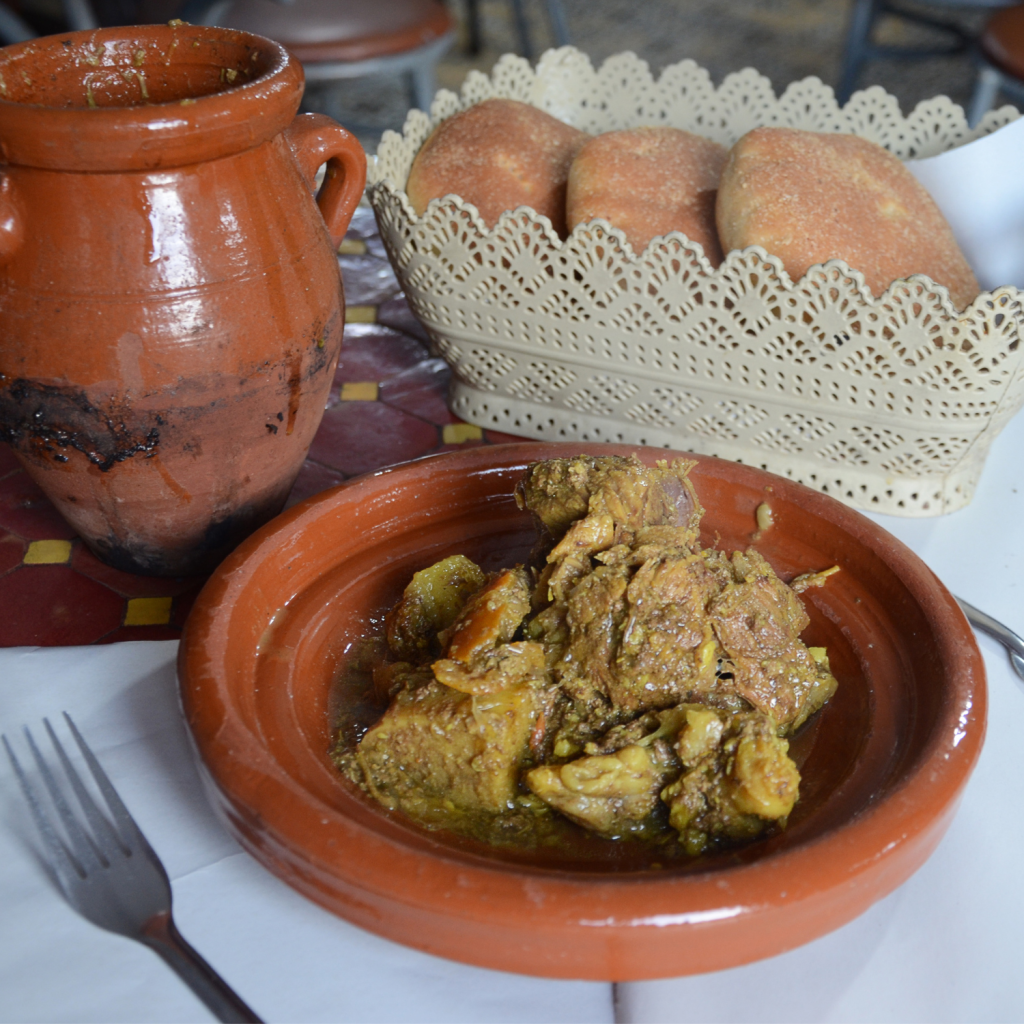
- Tanjia — slow-cooked in clay jars, buried in warm ashes
- Meshoui — whole roasted lamb, a dish of abundance and festivity
Marrakchi cuisine is bold, generous, and made for sharing. It reflects a city that has always been alive, vibrant, and theatrical — just like Jemaa el-Fna, where food, music, and storytelling collide every night.
Our Marrakech food tours dive into this energy, while our Marrakech cooking classes focus on spice harmony, slow cooking, and dishes designed for gatherings and celebrations.
Rabat: Andalusian Elegance and Coastal Balance
Rabat, Morocco’s coastal capital, carries a softer and more elegant culinary voice, deeply shaped by Andalusian influence.
When Andalusian families settled here, they brought:
- refined techniques
- citrus-forward flavors
- balance over intensity
Rabat’s cuisine is defined by:
- Chermoula (herb and spice marinade)
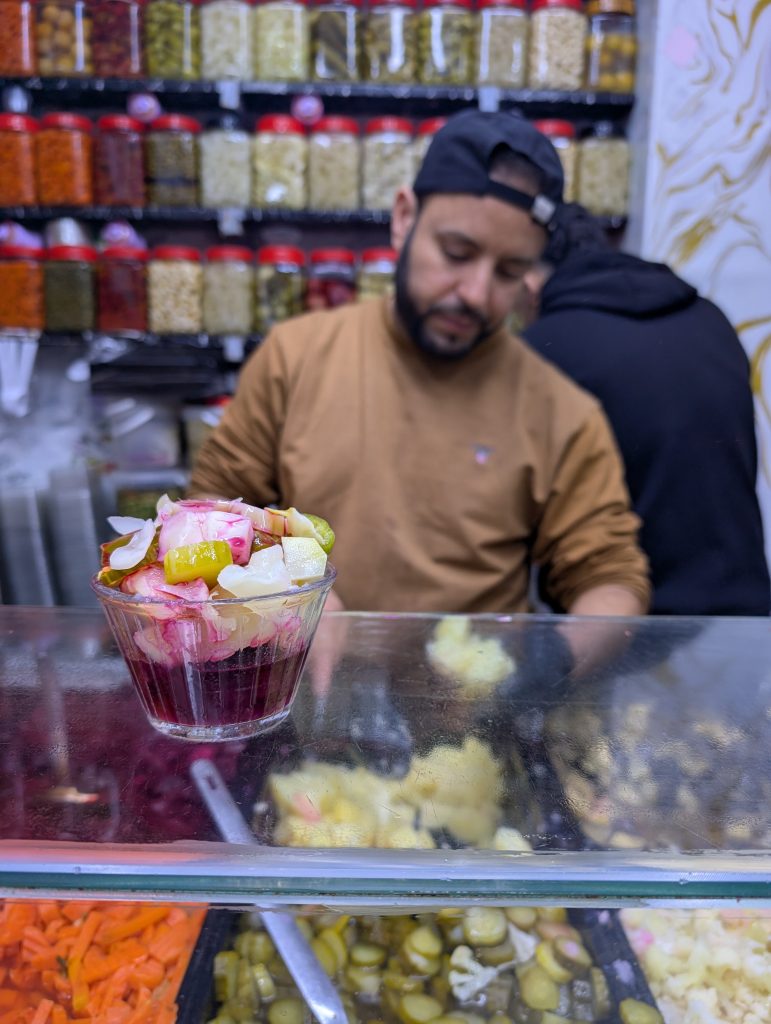
- pickling and preservation
- fish and seafood
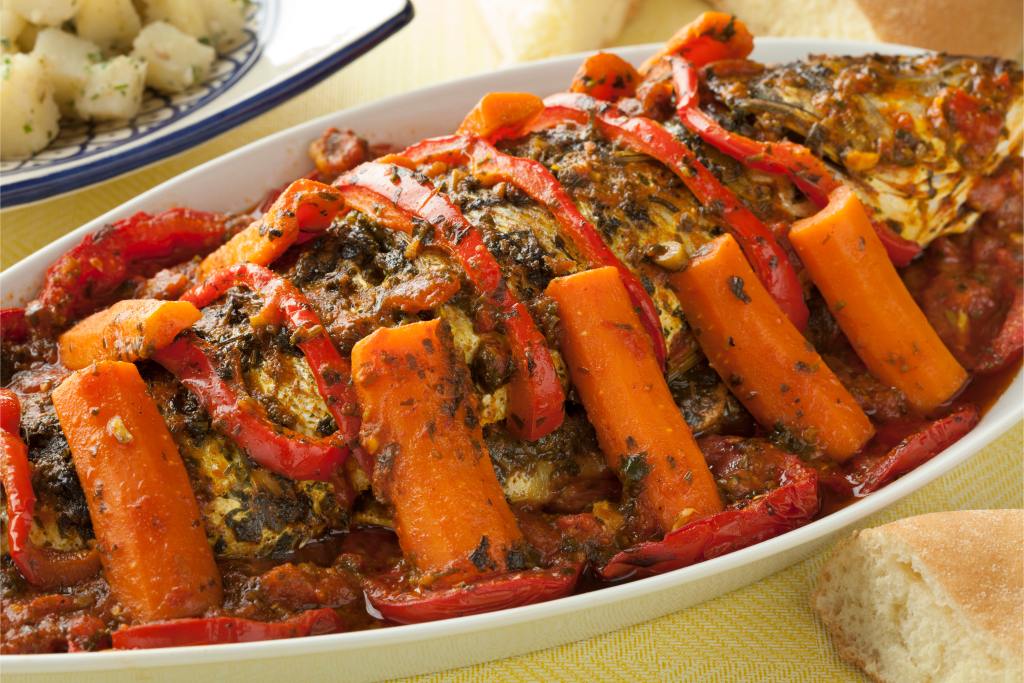
- subtle sweet-and-savory combinations
Trade across the Mediterranean enriched Rabat’s kitchens, blending imperial sophistication with coastal freshness.
Through our Rabat food tours, guests explore local markets and family kitchens. Our Rabat cooking classes highlight seafood dishes, chermoula, and delicate spice pairings unique to this city.
Essaouira: Coastal, Aromatic, and Amazigh at Heart
Another coastal city, Essaouira, tells a very different story.
Here, the food scene remains strongly Amazigh-rooted, shaped by local ingredients rather than imperial influence. The stars of the kitchen are:
- Argan oil
- Amlou (almonds, honey, argan oil)
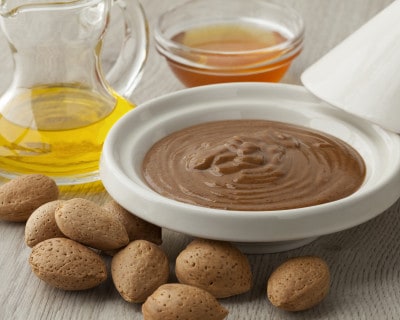
- fresh fish
- aromatic herbs
Essaouira’s cuisine is simple, nourishing, and deeply connected to the land and sea. Honey, nuts, herbs, and fish come together in a way that feels ancient and grounding — a reminder of Morocco’s earliest culinary identity.
Tangier: International Flavors and Open Horizons
Tangier, standing at the gateway between Africa and Europe, reflects centuries of international exchange.
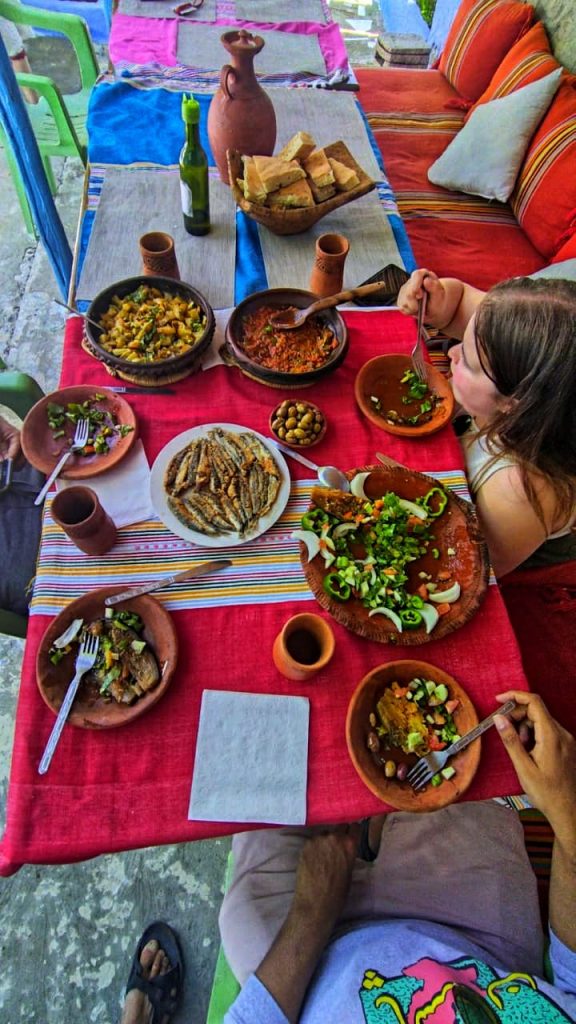
Its food scene is broader, more diverse, and constantly evolving. Influences from Spain, the Mediterranean, and beyond mix with Moroccan traditions, creating a cuisine that feels open, curious, and global — much like the city itself.
A Cuisine as Rich as Our History
Moroccan cuisine offers something for every palate. It is as rich as our history, as layered as our identity, and as deep as our tradition of coexistence.
Amazigh wisdom, Arab refinement, Andalusian elegance, Jewish precision, African depth, and international openness all sit on the same table.
Through The Moroccan Food Tour, our food tours and cooking classes are designed to help you learn, taste, and experience the Moroccan cuisine in the most authentic way possible. We are passionate about Moroccan food. We grew up with it. We love it, and we can’t wait to share it with you.
Until our next culinary journey together…
Leave a Reply