
Moroccan food is enjoyed all over the world. There is no denying that this is one of the most distinct and celebrated cuisines. Nothing compares to the rich flavours, aromatic spices and unique cooking techniques of Moroccan cuisine. Every traditional cooking technique here tells a story about the country’s history, taking you back a few centuries. But one thing that people are curious about is how Moroccan cuisine reflects the country’s diverse heritage.
Indigenous traditions, Arab influence, African connections, Mediterranean culture, and European interactions shape Morocco’s heritage. This makes people curious about the food here. You will be surprised by how well the country’s food reflects its rich and diverse history. The diversity of flavours you will find here, from the bustling markets of Marrakech to the coastal cities of the country, will truly stun you. So, as you plan your trip to Morocco from the UK with Zippy Holidays, take this time to learn more about the country’s history and cuisine. Let’s talk about how Moroccan cuisine is a living example of the country’s diverse heritage and history.
The Foundation: Amazigh (Berber) Heritage
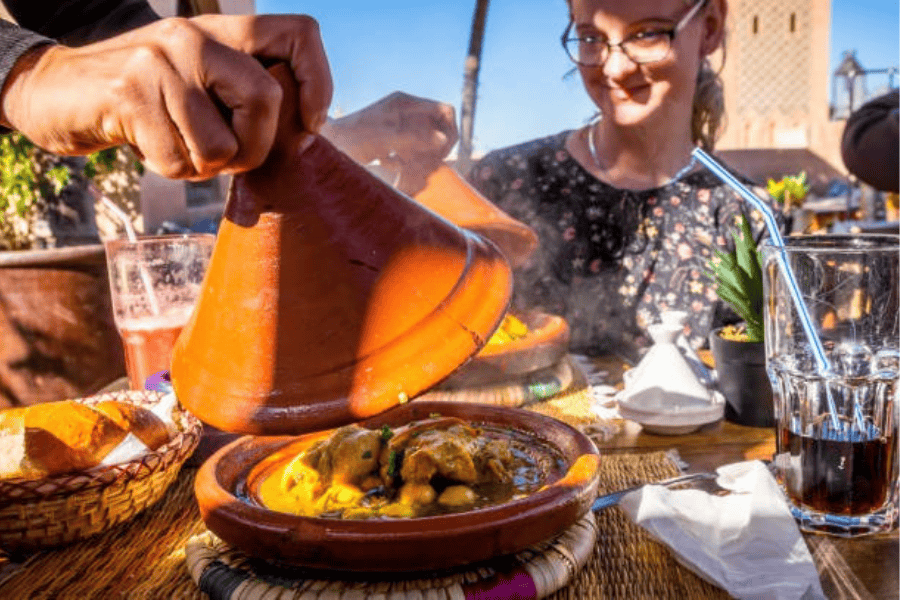
The Amazigh people, or Berbers, have inhabited North Africa for thousands of years. As they have called this land their homeland for so long, they have a significant influence on Moroccan cuisine. It wouldn’t be wrong to say that the roots of Moroccan cuisine lie in the traditions of the Amazigh people. Many iconic Moroccan dishes originated with the Amazigh communities. Now, Amazigh traditions serve as the backbone of Moroccan cuisine.
Here are some traditional staples of Moroccan cuisine introduced by the Amazigh communities.
- Couscous (made with steamed semolina grains, and often served with vegetables and meat)
- Barley and wheat dishes (essential grains used in breads and porridges)
- Olive oil (a key ingredient in Moroccan cooking)
- Tagine cooking (slow-cooking food in earthenware pots)
Arab Influence and Arrival of Spices
In the 7th century, Arabs arrived in North Africa. And with them, they brought their spices, cooking traditions, and unique culinary techniques. This resulted in significant changes in Moroccan cuisine and food culture. With Arab influence came the following ingredients in Moroccan cuisine.
- Dates
- Almonds
- Saffron
- Cinnamon
- Rice
- Dried fruits
- Complex spice blends
One of the most prominent Arab influences in Moroccan cuisine is the combination of sweet and savoury flavours. You might have tasted many local dishes that combine such flavours, including lamb with prunes, chicken with apricots, and pastries filled with almonds. Moroccan cuisine prominently uses spices such as cumin, paprika, cinnamon, turmeric, and saffron. But instead of using spices to create excessive heat, they are used to achieve the perfect balance of aroma and flavour. This is the reason why Moroccan cuisine is known as one of the most aromatic in the world.
The Impact of Andalusian Refugees
Muslim and Jewish refugees who arrived from Al Andalus (Islamic Spain) between the 13th and 17th centuries also influenced Moroccan cuisine. With these communities came sophisticated cooking methods and refined culinary traditions in the country. Here are some contributions of Andalusian refugees to Moroccan cuisine.
- Delicate pastries
- Advanced preservation techniques
- Fruit-based sauces
- Nuts and dried fruits in savoury dishes
- Decorative food presentation
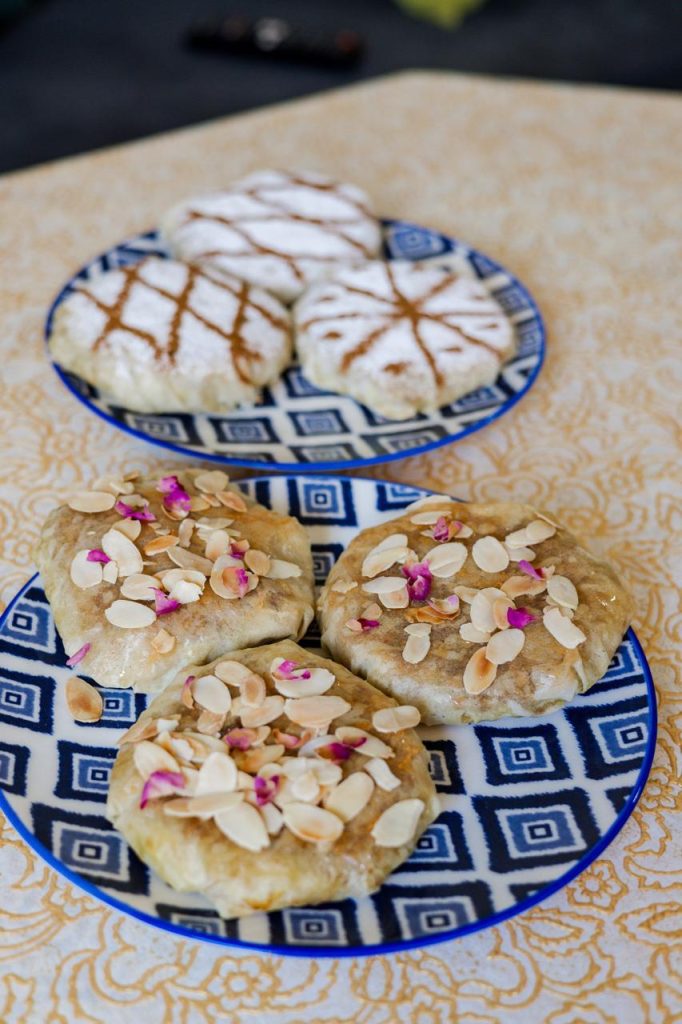
There is a famous Moroccan pie called Bastilla that reflects the influence of Andalusian refugees on local cuisine.
Jewish Contributions to Moroccan Food Culture
Not many people know this, but Morocco was home to one of the largest Jewish communities in the Arab world for centuries. Therefore, Jewish communities also shaped the country’s culinary identity. Jewish communities had different religious dietary practices and seasonal needs. Therefore, most of the preserved foods commonly found in the country were introduced by these communities. Some examples of such food items include:
- Salt-cured lemons
- Preserved vegetables
- Pickled foods
- Slow-cooked Sabbath stews
Other food traditions that the Jewish people introduced include slow cooking, preservation techniques, spice blending and holiday foods.
African Influences From the South
Morocco is located at the crossroads of Africa. This is why, for centuries, it enabled trade with West African kingdoms through trans-Saharan trade routes. With this exchange came the following things in the region:
- Dried fruits
- Rice dishes
- New spices
- Various cooking techniques
This trade brought significant culinary diversity to the region as well. Some of the ingredients introduced through this trade route include:
- Tamarind
- Hibiscus
- Millet
- Certain chilli peppers
Mediterranean and Coastal Traditions
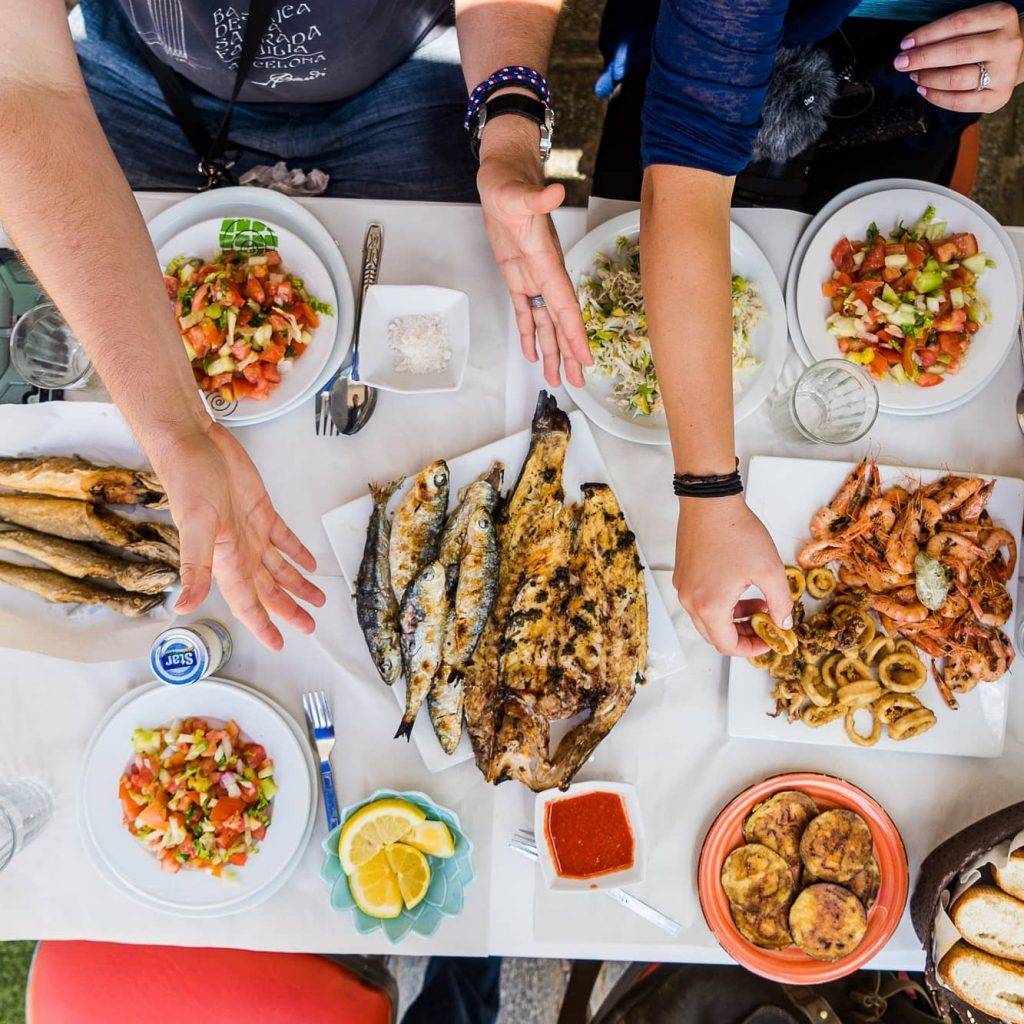
Morocco has a long coastline along the Atlantic and Mediterranean Oceans. Therefore, while exploring the country’s coastal cities, you will find many Mediterranean and coastal traditions in the food. In the coastal cities, seafood is a prominent part of the cuisine. It features:
- Sardines
- Sea bass
- Calamari
- Shrimp
- Anchovies
You will find Mediterranean influences in the cuisine through the following ingredients.
- Fresh herbs
- Olive oil
- Tomatoes
- Citrus fruits
French Influence During the Colonial Period
Morocco also experienced French colonial rule in the 20th century. This greatly impacted its food culture and cuisine. French influence is why cafés, pastries, baguettes, modern baking techniques, and coffee culture are now prominent parts of Moroccan cuisine. Also, you will be stunned to learn that the bread, which is such a huge part of daily life in Morocco, is also influenced by French colonial rule. French-style pastries like the following can also be found all around the country.
- Croissants
- Pain au chocolat
- Tarts
- French-inspired cakes
This is a clear explanation of how Morocco has embraced diverse cultures to shape its culinary identity.
Final Words
Food in Morocco is unlike anything else in the world. The country’s diverse cuisine reflects its embrace of various cultures and heritages, forming a new culinary identity. Every new city that you will visit in Morocco will take you on a food adventure like no other. So, if you are a foodie, you will truly be in heaven during your Morocco holidays.
Leave a Reply